

INORI is a premium makhana supplier from Bihar, specializing in high-quality fox nuts for snack brands, distributors, and bulk buyers. With direct farmer sourcing, strict Sutta-based grading, and a focus on consistency, we deliver reliable, export-re...
- (+91) 8641088078
- contact@inori.co.in
- Bastaul, Pranpur, , Katihar, Bihar, India. 854116
© 2020 INORI. All Rights Reserved
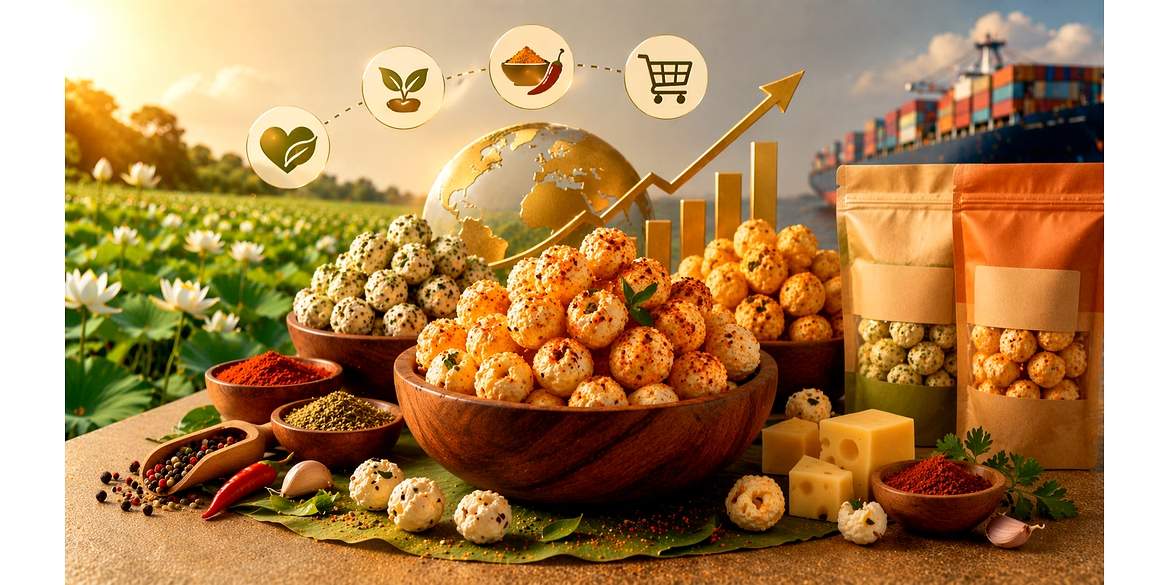

The flavored makhana business is becoming one of the most promising segments in the healthy snack industry. As consumers around the world look for premium, innovative, and better-for-you alternatives to traditional fried snacks, flavored makhana is gaining strong attention from snack brands, importers, and distributors. With its light texture, broad flavor adaptability, and premium positioning, flavored fox nuts offer a scalable business opportunity for companies looking to enter or expand in modern snack markets.
The Rise of Flavored Makhana in Global Snack Markets
The global snack industry is rapidly moving toward healthier, premium, and more distinctive product categories. Flavored makhana, also known as flavored fox nuts, has emerged as a strong option in this shift because it combines taste, health appeal, and product differentiation in one category. For snack brands, this makes makhana more than just a niche ingredient. It becomes a strategic product with strong potential in both emerging and mature retail markets.
For importers, distributors, and private label companies, flavored makhana offers an attractive combination of premium positioning and business flexibility. It can fit into health-focused retail shelves, modern trade channels, e-commerce snack brands, and specialty food segments. As awareness of makhana grows globally, businesses have a stronger chance to build differentiated product portfolios around this expanding category.
The opportunity is supported by rising demand for healthy snack alternatives, stronger interest in plant-based and low-fat snacking, and a growing preference for products that feel both indulgent and better for everyday consumption. Businesses exploring related categories may also benefit from reviewing healthy snack business ideas and private label snack opportunities.
Consumers today want snacks that are enjoyable to eat but also aligned with healthier lifestyle choices. Flavored makhana fits this demand well because it offers a light eating experience while still allowing room for bold and interesting taste profiles. It is commonly perceived as a lower-fat alternative to many traditional snack products, which increases its appeal among health-conscious buyers.
Another reason flavored makhana is gaining popularity is its versatility. It can be positioned as a premium snack, a clean-label option, or a modern alternative to chips and fried namkeen. Its easy digestibility and compatibility with multiple dietary preferences also make it appealing across a wide consumer base. From wellness-driven shoppers to curious urban consumers, the product speaks to several growing snack audiences at the same time.
This combination of nutrition, convenience, and flavor innovation gives flavored makhana a strong advantage in competitive snack categories.
Wide Range of Flavor Opportunities
One of the biggest commercial strengths of flavored makhana is its ability to adapt to many flavor profiles. This makes it especially attractive for snack brands targeting regional or international taste preferences. Because makhana has a mild base profile, it works well with both classic seasoning and more experimental flavor concepts.
Brands can introduce classic flavors such as Salt and Pepper or Peri-Peri for broad retail appeal, while Indian-inspired flavors such as Achari, Masala, or Thandai can create a culturally distinctive product range. International markets may respond well to flavor directions such as Cheese, BBQ, Herbs, or fusion combinations that balance sweet, spicy, and savory notes. This variety gives businesses more room to localize their offering, test new launches, and refresh their portfolios over time.
A strong flavor strategy can help snack companies differentiate their makhana products and stand out in a crowded healthy snack market.
Flavored makhana creates multiple business opportunities across the snack industry. New entrepreneurs can use it as the foundation for launching a healthy snack brand, while established food companies can add it to an existing snack portfolio to capture premium and wellness-oriented consumers. It is also suitable for businesses entering niche categories such as fitness snacks, modern trade premium products, and specialty food retail.
Because flavored makhana is still a developing category in many markets, businesses may find room for stronger margins and clearer product differentiation compared to more crowded snack segments. It can serve as a hero product for a focused snack brand or as part of a broader portfolio strategy that includes better-for-you alternatives.
For distributors and importers, the category also offers the chance to introduce an emerging snack format to retailers looking for innovation and premium shelf appeal.
Private Label and Branding Potential
Flavored makhana is well suited for private label development and brand building. Its premium appearance, health-focused positioning, and flavor flexibility make it easy to package for different market segments. Businesses can tailor the branding for wellness-driven audiences, urban convenience shoppers, family snack buyers, or premium gourmet consumers depending on their retail strategy.
The product also offers a high scope for differentiation through flavor curation, packaging design, and price architecture. Brands can create entry-level, mid-premium, or premium product lines based on packaging format, ingredient story, and flavor profile. This flexibility supports both online and offline retail, making flavored makhana useful for e-commerce brands, supermarkets, specialty food stores, and export-focused businesses.
For companies looking to build their own identity in the snack market, private label flavored makhana provides a strong and adaptable starting point.
Understanding the right target market is key to success in the flavored makhana business. This snack category has strong relevance among health-conscious consumers who are actively seeking lighter alternatives to chips and fried snacks. Urban consumers and premium retail shoppers are also an important audience because they are often more open to trying innovative snack products with a wellness angle.
International markets can present strong growth potential as awareness of makhana expands beyond India. Buyers in fitness, lifestyle, and specialty grocery segments may find flavored makhana especially appealing because it offers novelty along with premium positioning. Businesses that understand regional taste preferences and consumer behavior can develop more targeted flavor lines and packaging formats to support better market entry.
A well-defined target audience makes it easier to position flavored makhana effectively and build long-term brand relevance.
Key Factors for Success in Flavored Makhana Business
To succeed in the flavored makhana business, companies need to focus on product quality, flavor consistency, packaging appeal, and reliable sourcing. The foundation of a good product usually starts with high-quality makhana, often 5 Sutta and above, because larger and more uniform kernels support better appearance and improved seasoning performance.
Consistent flavor coating is equally important. Buyers expect each pack to deliver the same taste experience, especially when the product is positioned as a premium snack. Attractive branding and packaging help create retail impact, while a dependable supply chain ensures that product quality remains stable as the business grows. Businesses that combine strong sourcing with thoughtful market positioning are more likely to build a lasting presence in the category.
Operational consistency is often the difference between a short-term trend product and a scalable snack brand.
Like any growing category, flavored makhana comes with challenges that need careful management. One of the main issues is maintaining consistent flavor quality across batches, especially as production volumes increase. Shelf life and freshness must also be managed properly through good sourcing, controlled processing, and suitable packaging.
Another challenge is competing with established snack categories that already have strong shelf presence and consumer familiarity. In some markets, businesses may also need to invest in educating consumers about what makhana is and why it offers a meaningful alternative to conventional snacks. These challenges do not reduce the opportunity, but they do require a thoughtful business strategy and reliable supply chain execution.
Brands that address these challenges early can improve product-market fit and build stronger consumer trust over time.
Why Makhana is a Strong Alternative to Traditional Snacks
Compared with chips and many fried snack products, makhana offers a lighter and more premium alternative that aligns with changing consumer preferences. This makes it attractive for modern buyers who want snacks that feel enjoyable without appearing overly indulgent. Its clean-label appeal and natural positioning also make it easier to market in health-forward and premium retail environments.
For snack brands, flavored makhana provides a more differentiated story than many conventional products. It can be presented as an innovative healthy snack, a premium fox nut product, or a globally inspired flavor platform. This helps brands move beyond direct price competition and create more value-driven positioning in the marketplace.
As global acceptance continues to grow, makhana is becoming a stronger category alternative for businesses seeking future-ready snack opportunities. Businesses comparing categories may also find value in exploring premium healthy snacks and alternative snack categories.
Flavored makhana is more than a passing trend. It is a growing snack category with strong potential for long-term business success. For importers, distributors, and snack brands, it offers the chance to enter new markets, build better margins, and create differentiated product lines in the healthy snack segment.
Businesses that invest in quality sourcing, flavor development, strong branding, and supply chain reliability can position themselves well in this expanding market. With the right strategy, flavored makhana can become a scalable and profitable product category for modern snack brands.
FAQ: Flavored Makhana Business
Q1. Is flavored makhana a profitable business?
Yes, flavored makhana can offer strong margins because of its premium positioning, health appeal, and growing consumer demand.
Q2. Which makhana grade is best for flavored snacks?
Grades such as 5 Sutta and above are generally preferred because they provide better size, texture, and appearance for flavored snack applications.
Q3. Can flavored makhana be customized for different markets?
Yes, flavors can be adapted based on regional taste preferences, allowing brands to create market-specific product ranges.
Q4. Who should invest in the flavored makhana business?
Snack brands, distributors, importers, and private label businesses looking for premium healthy snack opportunities can all benefit from this category.
Q5. What makes makhana different from other snacks?
Makhana is lighter, less oily, and easier to position as a healthier and more premium alternative to many traditional snacks.
Q6. Is flavored makhana suitable for export?
Yes, flavored makhana is increasingly suitable for export and is gaining popularity in international healthy snack markets.
Q7. What are the key success factors in this business?
The most important factors are quality sourcing, flavor consistency, attractive branding, effective packaging, and a reliable supply chain.